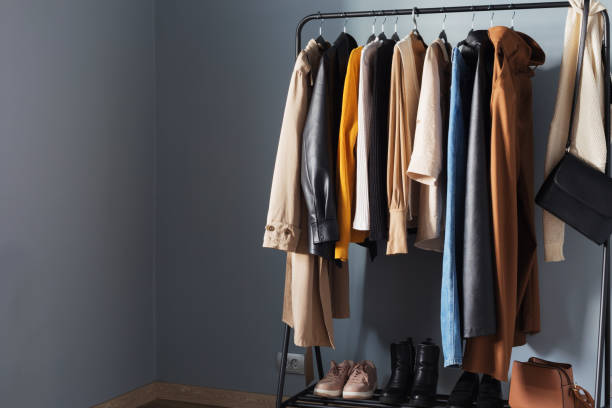
The trousers work for the office yet clash with casual outerwear. A rushed choice at the front door can undo an otherwise polished outfit. One well-chosen statement coat changes that pattern because it becomes the visible thread linking many different combinations.
The strongest coat is not necessarily the loudest. It needs enough character to feel deliberate, but enough flexibility to sit over workwear, denim and evening pieces. Shape often matters more than decoration. A defined shoulder, clean lapel or generous wrap can create presence without relying on a difficult print. For an Australian winter, the weight should suit local conditions rather than a wardrobe built for snow.
Colour sets the wardrobe’s direction. Black, navy and camel remain useful, although a deep olive, burgundy or winter white can be just as adaptable when the wearer already owns neutral basics. The key is repetition. If the coat’s colour appears elsewhere in shoes, knitwear, scarves or bags, it begins to look like part of a system rather than a single dramatic purchase. This principle helps people browsing women’s designer clothing judge whether a striking piece will genuinely earn regular use.
Start with the clothes already worn most often. A coat should work over the weekday uniform, whether that means wide-leg trousers and a fine knit, a midi skirt with boots, or straight jeans and a shirt. Trying it with only one carefully styled outfit gives a false picture. It is more useful to test the coat open and closed, over different sleeve shapes, and with both flat and heeled footwear. The hem should support those combinations rather than fighting them.
A statement coat can also reduce the need for constant novelty. Simple layers feel refreshed when the outer silhouette is distinctive. A plain column dress becomes more architectural under a sharply cut coat. Denim looks intentional beneath textured wool. Tailored separates gain warmth without losing their line. This is where investment thinking becomes practical: the coat does not replace the wardrobe but raises the standard of pieces already owned.
Proportion deserves close attention. A long coat can create a clean vertical line, yet it may overwhelm a petite frame if the shoulders and sleeves are also oversized. A cropped design can balance full trousers, though it offers less coverage on windy days. Belted styles define the waist but need to sit comfortably over thicker layers. These trade-offs matter more than a trend forecast because they determine whether the coat feels easy at 7 am.
Fabric and construction affect how the piece ages. Dense wool blends may hold their shape well, while brushed surfaces create softness but can show wear in high-friction areas. Check lining, button attachment, pocket placement and the way seams sit when the coat is fastened. With women’s designer clothing, a higher price should invite closer inspection, not automatic trust. The most useful question is whether the materials and finish support the intended frequency of wear.
Accessories should reinforce rather than compete. If the coat has a bold check, keep the scarf quiet and repeat one colour from the pattern. If the shape is sculptural, a compact bag often works better than another oversized element. Boots can echo the coat’s formality, while sneakers create a relaxed contrast for weekends. Small adjustments let the same outer layer move between settings without looking forced.
Care is part of the plan. Brushing wool, airing the coat after wear and using a supportive hanger can help preserve its surface and shape. Professional cleaning should follow the care label rather than a fixed timetable. Rotating knitwear underneath also limits friction and gives the coat time to recover.
The right statement coat earns attention without demanding a new outfit around it each day. It provides a dependable finish, clarifies colour choices and makes familiar clothes feel more considered. When selected with real routines in mind, women’s designer clothing can function as the anchor of winter dressing rather than a collection of isolated special pieces.
 Ethan Rogers